Your favorite sneakers can harbor up to 420,000 units of bacteria. That’s more than a toilet seat! Dirt, mud, and sweat build up with every step.
This grime doesn’t just look bad. It can break down materials and shorten the life of your footwear. A proper deep clean is essential for hygiene and durability.
Many people don’t realize their trusty laundry appliance can handle this task. With the right method, your top load washer can refresh your kicks safely. It’s a fantastic time-saver compared to scrubbing by hand.
This friendly guide walks you through the entire process. You’ll learn to protect your gear and your machine. We’ll cover preparation, settings, and drying for professional-level results at home.
Get ready to give your collection a new lease on life. Let’s make cleaning those well-worn pairs simple and effective.
Key Takeaways
- Footwear collects a significant amount of bacteria and dirt through daily use.
- Using a laundry appliance for cleaning is a major time-saver over hand washing.
- Correct preparation and gentle cycles are crucial for safety.
- This method helps extend the lifespan of your favorite pairs.
- You can achieve a deep, thorough clean without professional services.
- Following a proven process protects both your shoes and your washer.
Understanding the Basics of Washing Shoes in a Machine
Not every pair in your closet is ready for a spin cycle. Success depends on two main things: your footwear’s fabric and your appliance’s cleaning action. Getting this right protects your gear and your laundry unit.
Identifying Machine-Friendly Materials
Your everyday sneakers, running shoes, and casual canvas slip-ons are often perfect candidates. They are typically made from sturdy, synthetic fabrics.
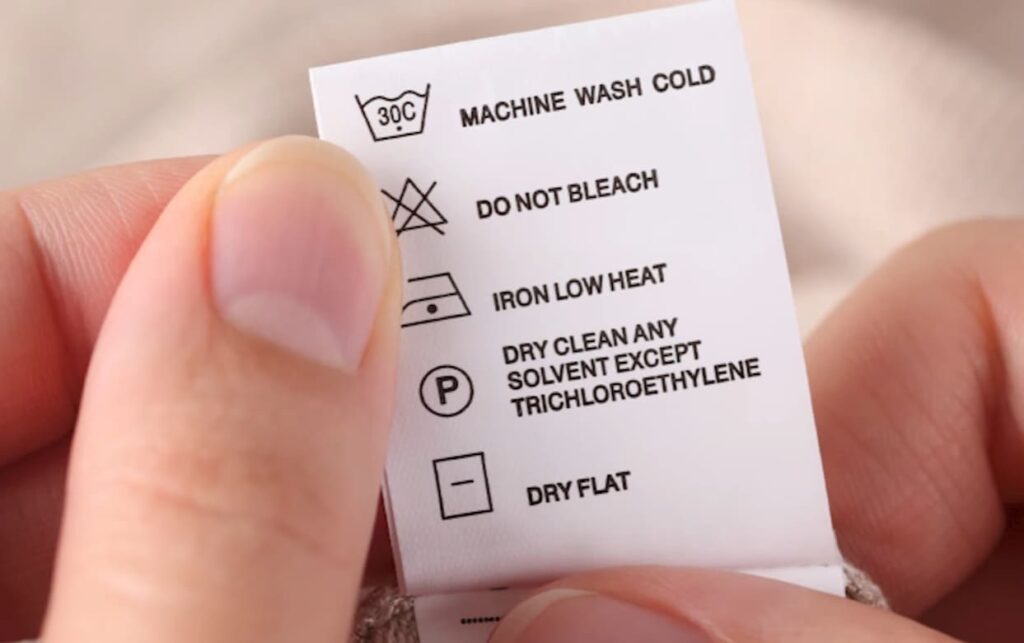
Materials like canvas, nylon, cotton, and polyester can generally handle the motion inside a drum. Always check the manufacturer’s tag first for specific care instructions.
| Material Type | Machine Wash Safe? | Common Shoe Types | Notes |
|---|---|---|---|
| Canvas | Yes | Sneakers, Slip-ons | Very durable; air dry. |
| Nylon/Polyester | Yes | Running shoes, Tennis shoes | Check for glued parts. |
| Leather | No | Dress shoes, Boots | Can crack and warp. |
| Suede | No | Casual shoes, Boots | Water causes permanent damage. |
| Embellished Fabrics | No | Heels, Formal sandals | Require professional cleaning. |
What to Expect from Your Washing Machine
Most top load cleaning units clean through a process called agitation. This is more vigorous than the tumbling action in front-load models.
This means extra care during preparation is essential. By matching the right materials with a gentle cycle, you set yourself up for a great clean every time.
Preparing Your Shoes for the Wash
Unlock a deeper, more effective refresh by dedicating time to prep work before the cycle begins. This crucial stage boosts your laundry appliance’s efficiency. It ensures every part of your footwear gets the attention it needs for a truly clean result.
Pre-Clean Steps: Removing Debris and Accessories
Start by taking out the laces and insoles. This simple act is the first step to better cleaning. Now, tackle the loose grime.
- Shake each pair vigorously outdoors to dislodge dirt, sand, and pebbles.
- Use a soft brush or old toothbrush to scrub caked-on mud from the soles and around the eyelets.
- For stubborn spots, a quick rinse under the tap helps loosen the dirt before brushing again.
This pre-cleaning prevents your machine from just redistributing surface dirt.
Separating Laces and Insoles for Better Cleaning
Your laces and insoles require special care. Place the laces inside a mesh garment bag or a knotted pillowcase. This prevents tangling around the agitator during the wash.
For the best care, hand-wash your insoles separately. Mix a mild solution of warm water and liquid laundry detergent. Gently scrub them with a soft cloth. This protects the foam or rubber materials from breaking down in the drum.
Handling these components separately guarantees a complete and safe clean for your entire pair.
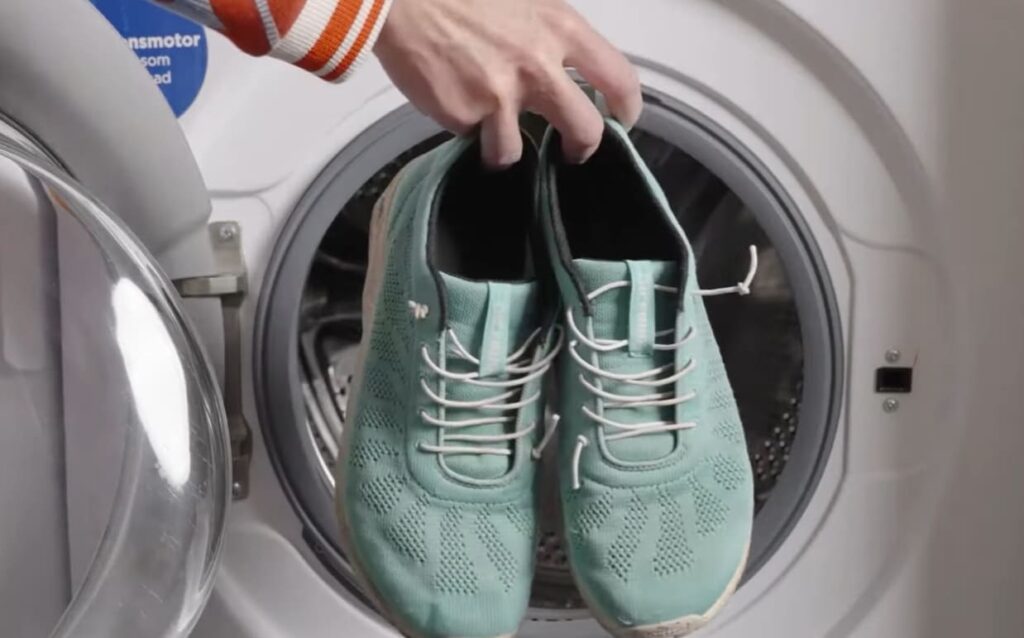
How to Wash Shoes in Top Load Washing Machine?
Achieving spotless kicks without harm requires two simple principles: mild treatment and stain targeting.
Your laundry appliance can refresh your gear effectively. But it demands a soft approach. Treat each pair like delicate clothing.
Importance of Gentle Washing and Pre-Treatment
Aggressive cycles risk damage. They can weaken adhesives, fade colors, or warp shapes. A gentle setting is non-negotiable.
Before starting, inspect for stubborn marks. Pre-treat these areas with a mild cleaning solution. A paste of liquid detergent and water works well.
Gently rub the mixture onto soiled spots. This breaks down grime before the main cycle. It leads to a thorough clean without harsh action.
This one-two punch of pre-care and a soft cycle preserves your favorite pairs. It also keeps your machine running smoothly for years.
Selecting the Right Washing Settings
Proper configuration of your cleaning cycle is the shield that protects your footwear. The right choices prevent common laundry appliance damage.
This step is non-negotiable for a safe refresh. Treat your gear with the same care as delicate clothes.
Choosing Delicate Cycles and Cold Water Options
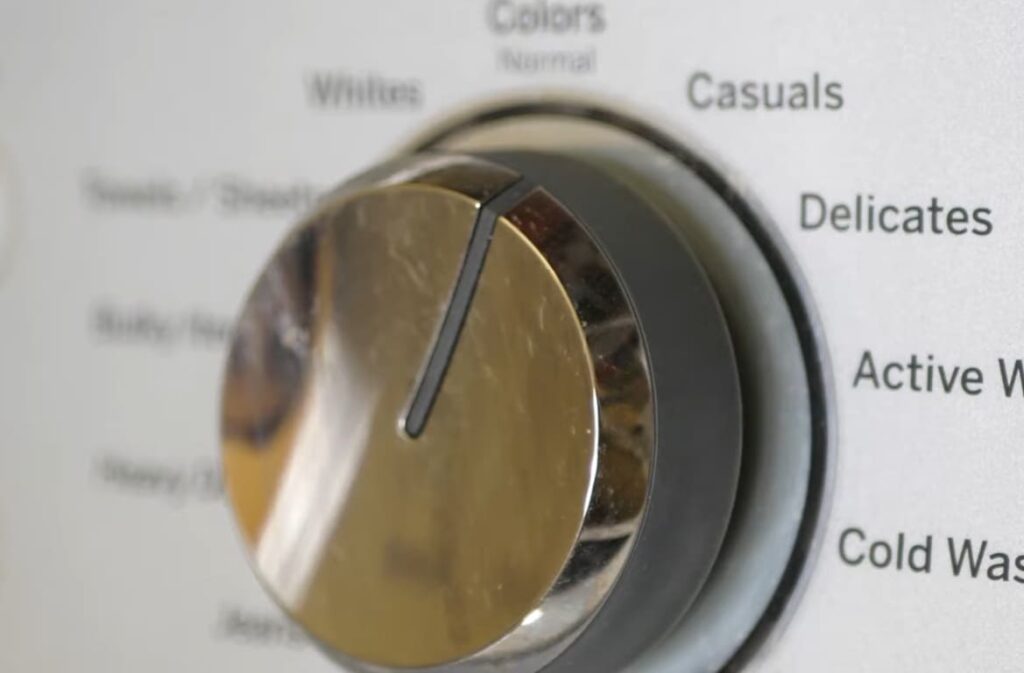
Always select the gentle or delicate setting on your washing machine. This reduces agitation intensity.
Cold water is essential. Hot water can warp materials and melt adhesives. It also causes colors to bleed.
Avoid any cycle labeled “heavy duty” or “normal”. These are far too aggressive for your task.
Adjusting Spin Speeds and Load Buffers
Set the spin speed to low or, if possible, turn it off completely. High-speed spinning throws items around violently.
This protects both your footwear and the machine drum. For extra safety, add a couple of old towels to the load.
They act as soft buffers during the wash cycle. This simple trick minimizes impact and noise.
By carefully selecting these settings, you guard against warped shapes and faded colors. Your favorite pairs will thank you.
Choosing the Best Detergents and Accessories
Selecting the proper soap and protective gear is just as critical as choosing the right machine settings. The right products shield your gear from damage and ensure a residue-free finish.
Liquid Detergent Over Powder
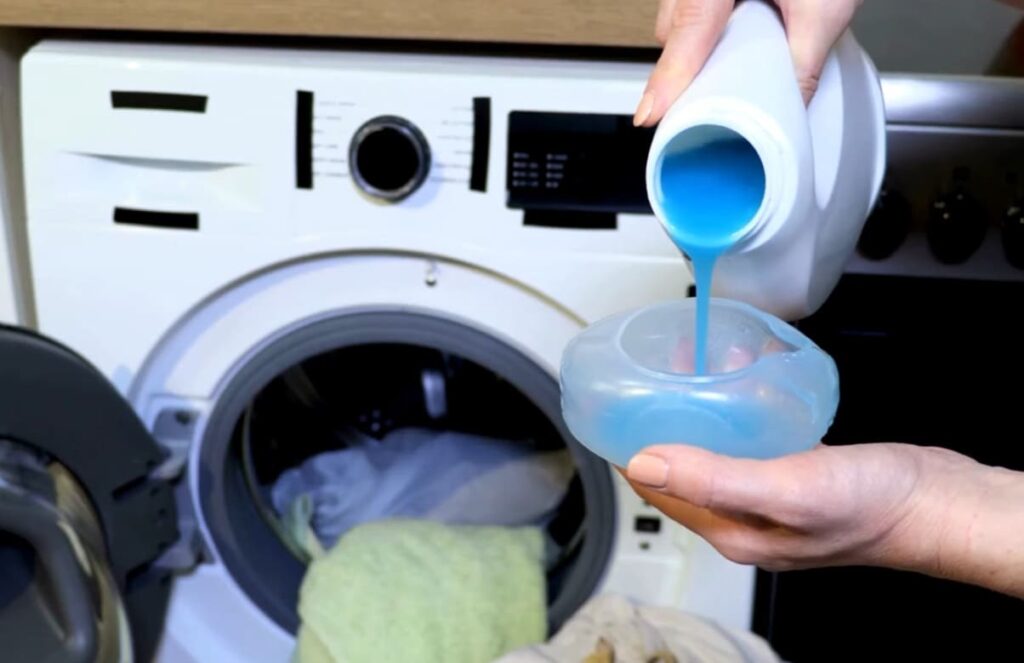
Always opt for a mild liquid laundry detergent or pods. Powder formulas often fail to dissolve fully in cool water cycles.
Undissolved granules can get trapped in mesh panels and lace holes. This leaves a chalky, white film that is tough to remove.
Use only a moderate amount. Extra soap doesn’t clean better. It can leave stiff, sticky items that feel rough.
Utilizing Mesh Bags or Pillowcases
A mesh garment bag or an old pillowcase is essential for protection. These create a soft barrier between your footwear and the drum.
Place each item inside a separate bag or pillowcase. Secure the opening with a knot. This simple step contains the clattering noise during the cycle.
It significantly reduces the risk of impact damage. Your machine’s interior stays safe, and your gear emerges fresh and intact.
Step-by-Step Guide for Loading the Top Load Machine
Correct placement inside your laundry appliance is crucial for a safe and effective clean. This step ensures your gear gets refreshed without harm.
Arranging Shoes with Old Towels
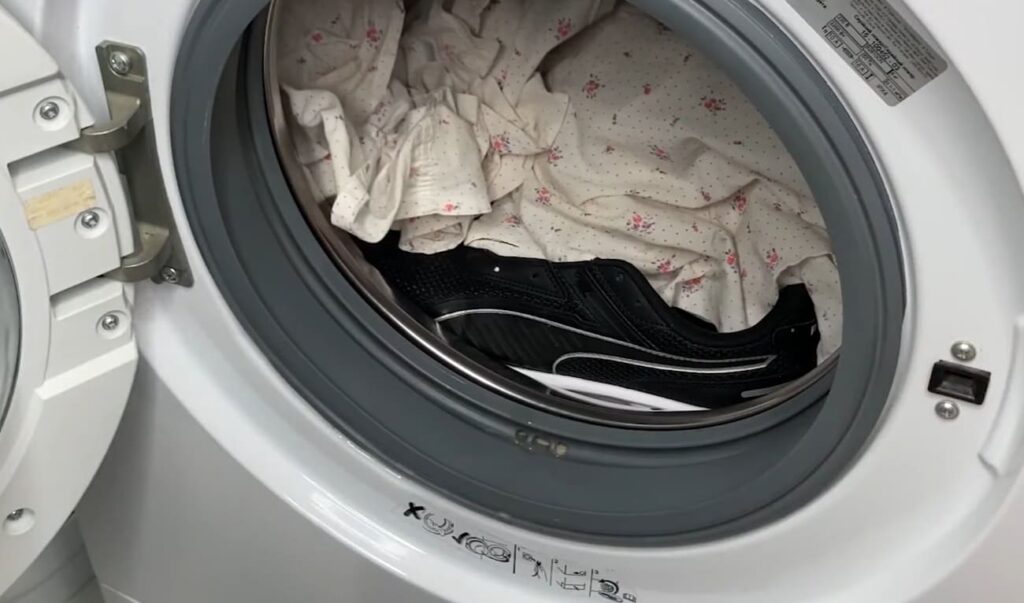
Begin by placing your prepared pairs, already inside mesh bags, into the drum. Keep them away from the central agitator if your model has one.
Add four to six old towels with your gear. These act as soft buffers during the cycle. They cushion your footwear and reduce harsh movement.
Always use old towels, not new ones. New towels may have excess dye that could bleed onto light-colored items. Match towel color for extra safety.
These additional items help balance the distribution. Balanced weight prevents uneven spinning and potential damage.
While front-load units tumble gently, top load models clean through agitation. With careful arrangement and a delicate cycle, your appliance can handle this task.
By wrapping your gear with towels before bagging, you create a protective environment. This method safeguards both your footwear and the unit’s interior.
Drying Your Shoes Safely After Washing
Your freshly cleaned pairs require a specific environment to dry without damage. Rushing this final step can ruin your efforts. The goal is to remove moisture gently while preserving structure and comfort.
Never put shoes in the dryer. The appliance’s intense heat melts the adhesives that hold soles together. It can also warp fabrics and shrink materials, ruining the fit.
Air-Drying Techniques to Maintain Shape
Air-drying is the only safe method. Start by stuffing the interior with clean, dry paper towels or rags. This absorbs excess water and helps your footwear keep its proper shape.
Place them in a cool, well-ventilated area. A spot near a fan or an open window works perfectly. Good airflow speeds up the process naturally.
Avoiding Heat to Protect Adhesives
Keep your gear away from direct sunlight and radiators. Intense heat fades colors and stresses materials. Patience is essential here.
Drying can take 12 to 24 hours, sometimes longer. Only return the insoles once everything is completely dry. Trapped moisture leads to bad odors.
Extra Tips for Maintaining Both Shoes and Washing Machine
Keeping your footwear and laundry appliance in top shape extends their lifespan and performance. Smart habits after each cleaning session protect your investment for years.
These simple practices go beyond the basic process. They ensure your gear stays fresh and your machine runs smoothly.
Preventing Damage During the Wash Cycle
Always verify the manufacturer’s care instructions before starting. Some sneakers or specialty materials have specific needs different from standard canvas or synthetic pairs.
Know your appliance type. Many top-load units clean through agitation, which can be rough on clothes. The exception is impeller models without a central column.
These impeller machines are gentler on both your garments and your gear. If you have a traditional agitator, using mesh bags and towels becomes even more critical for protection.
Limit how often you clean your items this way. Frequent cycles can gradually break down adhesives and fabrics. Reserve this method for when your pairs are genuinely dirty.
For freshness between cleans, sprinkle baking soda inside overnight. This homemade deodorizer keeps odors at bay without harsh cleaning.
After completing the cycle, run an empty rinse in your machine. This clears any leftover dirt or detergent that could affect future loads of clothes.
While front load models are generally gentler, proper technique lets your top-load unit clean effectively. It safeguards all your valuable items.
Conclusion
Stepping out in fresh, clean kicks is a satisfying feeling you can now achieve at home. This comprehensive guide has given you the confidence to refresh your footwear safely.
Remember the core steps. Always verify material safety first. Prepare your gear by removing laces and insoles. Use protective bags and gentle, cold cycles in your laundry appliance. Finally, always air-dry.
These methods deliver professional-level cleaning results. They also safeguard your favorite sneakers and your washing machine from unnecessary wear.
You’re all set. Enjoy your revitalized collection!