
Did you know that more than half of all adults wear footwear that doesn’t properly fit their feet? Often, the problem isn’t length—it’s width.
This common oversight can turn everyday comfort into a constant struggle. Pinching on the sides, a feeling of numbness, or soreness after a short walk are classic red flags.
Many people blame their feet, not realizing the shoe itself is the issue. Constantly squeezing into narrow shoes can lead to avoidable problems like bunions and corns.
Choosing the correct fit for your foot width is a game-changer. It supports your natural foot shape and promotes better health.
This guide is here to help. You’ll learn the clear signs that point toward wide shoes, discover how to measure accurately at home, and get smart tips for shopping.
Whether you’re on your feet all day or just seeking relief, understanding your true width is the first step to happier, healthier feet.
Key Takeaways
- Width is as critical as length for a proper, comfortable shoe fit.
- Symptoms like pinching or numbness often signal a width problem, not a size issue.
- Wearing overly narrow shoes can contribute to long-term foot health concerns.
- Identifying your correct foot width is essential for daily comfort and activity.
- This guide provides practical steps to assess your needs and find better-fitting footwear.
Understanding Shoe Width and Fit
Many people overlook a critical component of proper footwear: width. This measurement is just as important as length for true comfort.
Sizing uses a letter system to categorize the space across the ball of your foot. This area is where your toes meet the main structure.
What Defines Shoe Width
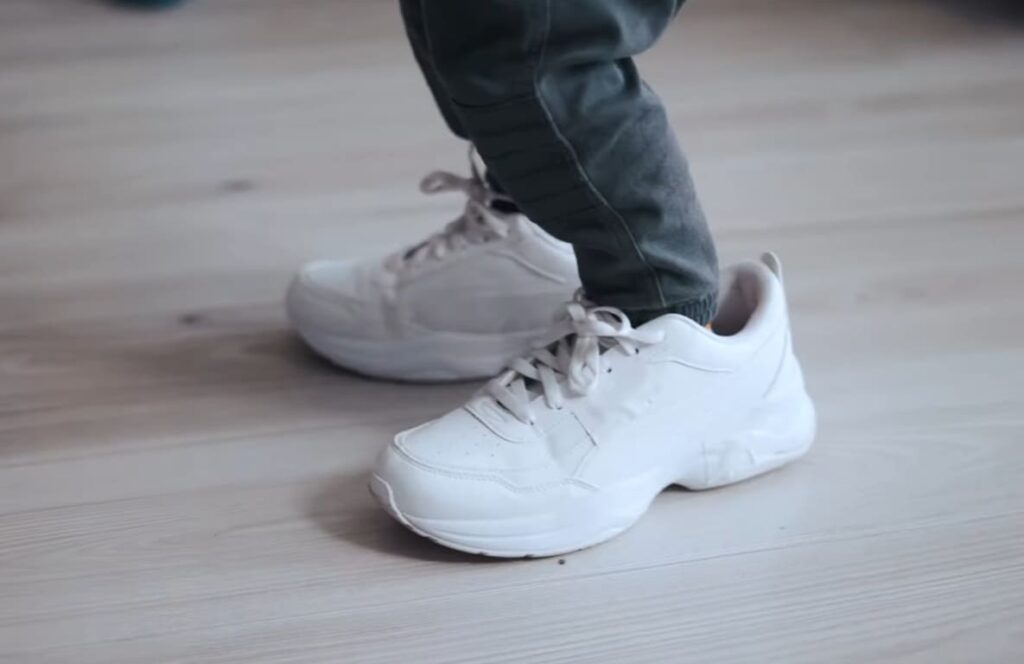
Letters like A, B, C, and D indicate specific width categories. These letters differ between men’s and women’s sizing scales.
For example, a standard medium fit is a B for women and a D for men. This one-letter shift accounts for general foot proportion differences.
| Width Letter | Women’s Category | Men’s Category |
|---|---|---|
| AA / A | Extra Narrow / Narrow | Narrow |
| B | Standard Medium | Standard Medium |
| C / D | Wide / Extra Wide | Wide |
| E / EE | Double Wide | Extra Wide / Double Wide |
Some brands use extra codes like 2E or WW for even broader options. The actual foot width measurement increases with longer shoe sizes.
How Foot Shape Affects Fit
Your natural foot shape dictates your width needs. Factors like arch height and toe spread change the space required.
High arches or flat feet influence how your weight distributes. This alters the horizontal space your foot occupies inside a shoe.
Remember, feet swell with activity and gravity throughout the day. A proper width accommodates this normal, dynamic expansion for all-day ease.
Choosing the correct width supports your natural architecture. It prevents awkward movement patterns that can strain your entire body.
Recognizing the Signs You Need Wide Shoes
Your feet communicate discomfort through clear physical signals when confined in narrow footwear. These signs help identify when a wider fit is necessary. They fall into two main categories: immediate bodily cues and how your movement is affected.
Physical Warning Signs
Persistent pinching along the sides indicates excessive pressure. Visible bulging at the shoe’s material is another red flag.
Calluses or corns on the outer toes develop from constant friction. Numbness or tingling suggests restricted blood flow.
Noticeable red marks after removing footwear show where constriction occurred. This pain is your body’s way of saying the fit is wrong.
Performance-Related Indicators
During activity, reduced stability during side-to-side motions can occur. Decreased power transfer during lifts or sprints might be noticed.
Foot fatigue sets in quicker than usual. Comfortable shoes becoming tight by afternoon is a key sign.
If your feet feel squeezed during dynamic movements, consider wide feet options. Proper width supports natural motion and prevents strain.
Measure Your Foot Width at Home
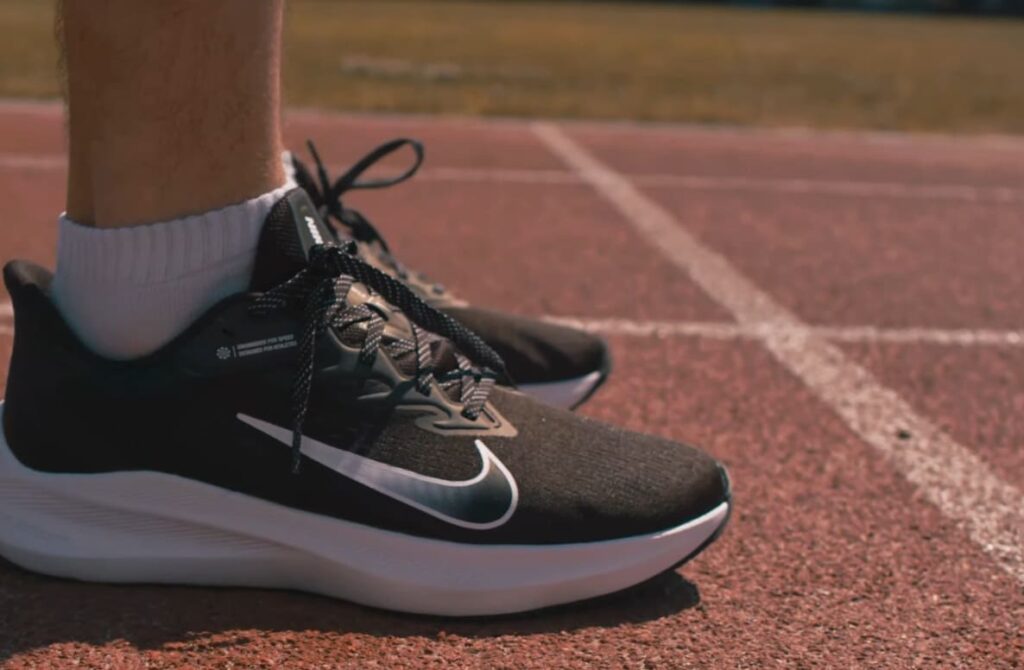
Getting your correct foot width measurement requires just paper, a pencil, and a wall. This simple process gives you precise data for selecting footwear.
You can complete this task in a few minutes. Accurate results depend on following each step carefully.
Required Tools and Materials
Gather these common items before you start:
- A blank sheet of white paper
- A pencil or pen
- A ruler or measuring tape
- Your bare feet
- A flat wall for support
Wear the socks you typically use with your shoes. This ensures a real-world measurement.
Step-by-Step Measurement Process
Place the paper on a hard floor against the wall. Stand with your heel touching the wall and your full weight distributed evenly.
Feet expand under pressure, so standing naturally is essential. Carefully trace around your entire foot.
Keep the pencil perpendicular to the floor for an accurate outline. Repeat this for both feet, as they often differ slightly in size.
Next, use the ruler to find the widest part of each outline. This is typically across the ball area.
Record this width in inches. For the best results, perform this measurement later in the day when feet are naturally more expanded.
Pro Tip: The wet test offers an alternative. Wet the bottom of your foot and step onto dark cardboard.
The imprint reveals your arch and overall shape. A wider footprint suggests you may require broader footwear.
| Foot Width Measurement | Category | Suggested Fit |
|---|---|---|
| Less than 3.5 inches | Narrow | Narrow or Slim width shoes |
| 3.5 to 4 inches | Standard | Medium width shoes |
| Greater than 4 inches | Wide | Wide or Extra Wide shoes |
Always use the larger measurement from your two feet when consulting size charts. This guarantees comfort for both.
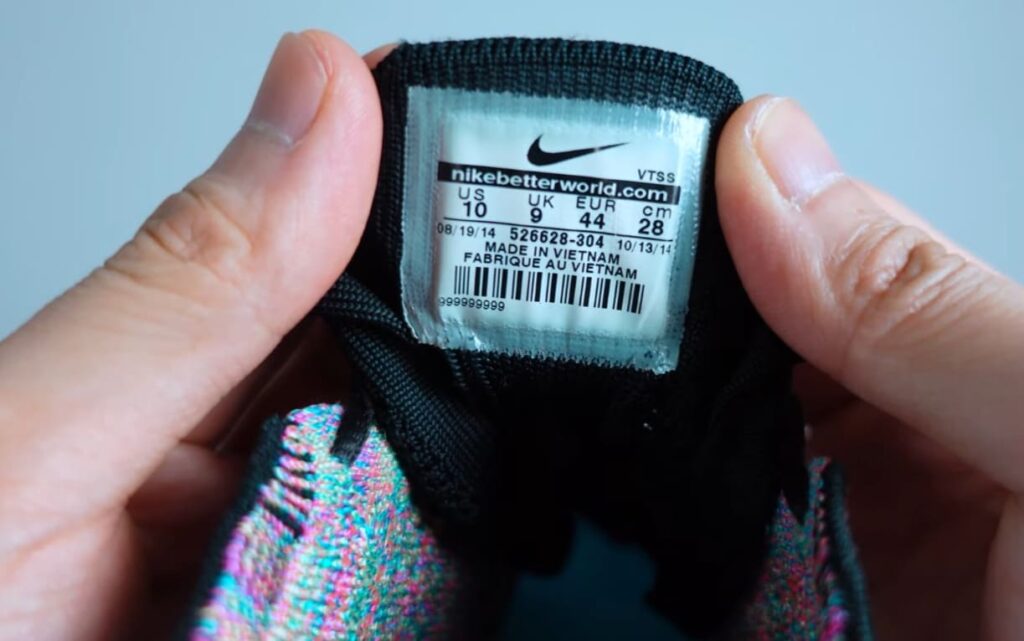
How to Know if You Need Wide Shoes?
Finding your ideal fit often comes down to a simple comparison of standard versus wide options.
This side-by-side look reveals the structural differences that make a world of difference for your comfort.
Comparing Standard versus Wide Footwear
The main distinction is horizontal space. A wide-width shoe adds about 1/8 inch more width than its standard counterpart.
This extra room is most noticeable in the toe box. Your toes gain freedom to spread naturally without cramping.
Extra wide models take this further. They provide an additional 1/4 inch compared to regular wide shoes.
This level is ideal for severe swelling, foot deformities, or using custom orthotics. It accommodates greater overall foot volume.
If your feet still feel cramped in wide shoes, you may need the extra wide category. Look for pressure marks or persistent pain.
A simple test helps. Remove the insole and stand on it. Your foot should not spill over the edges.
The sides of the shoe should not bulge. You should feel zero pinching, especially during toe splay.
For those with orthotics, remember they add volume inside. An extra wide fit often becomes necessary to house both your foot and the support device comfortably.
Impact of Ill-Fitting Shoes on Foot Health
Chronic foot pain often has a simple, preventable cause: shoes that are too narrow. This constant pressure does more than cause temporary discomfort. It can trigger serious health issues that affect your mobility for years.
Common Foot Conditions from Narrow Shoes
Tight footwear forces your feet into unnatural shapes. This leads to specific conditions.
Bunions are painful bone deformities at the big toe joint. Hammertoes cause permanent toe curling. Both result from sustained pressure.
Plantar fasciitis creates stabbing heel and arch pain. Nerve compression can cause numbness or a Morton’s neuroma. These are not minor issues.
Long-Term Effects on Comfort and Mobility
The damage accumulates over time. Years of cramped shoes can permanently alter your foot structure.
This affects your entire gait and posture. It often contributes to knee and hip problems. Your ability to walk or stand comfortably diminishes.
For individuals with diabetes, the risks are severe. Poor-fitting shoes can lead to ulcers and slow-healing sores. Protecting your foot health is a crucial long-term investment.
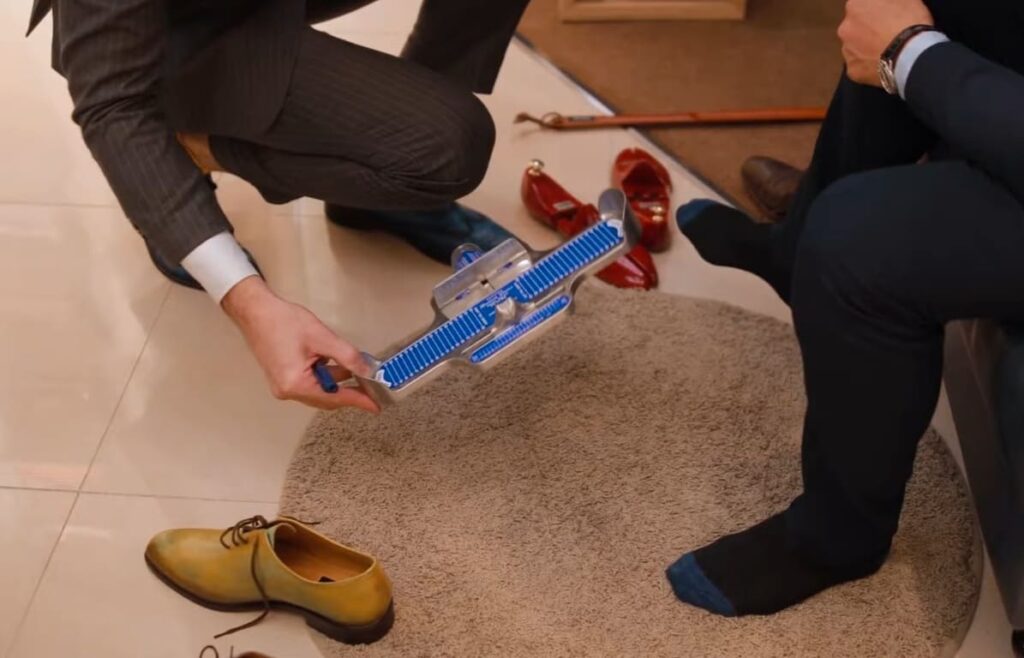
Shopping Tips for the Perfect Wide Shoes Fit
Smart shopping strategies transform the hunt for comfortable wide shoes from frustrating to fulfilling. Proper preparation ensures you find footwear that offers genuine support all day.
What to Look for When Trying on Shoes
Plan your trip for the afternoon. Your feet swell with daily activity, so this timing guarantees a fit that remains comfortable.
Bring the socks you’ll wear regularly. Thick athletic or work socks need extra room inside.
Focus on flexible materials like leather or canvas. They adapt better to your foot’s shape than stiff synthetics.
Seek out retailers specializing in extended widths. They offer more options and expert advice for wide feet.
Testing Fit and Adjusting for Comfort
Walk around the store extensively. Test movements like standing on your toes to simulate real use.
Check the toe box first. Your toes need space to spread without touching the front or sides.
The heel should feel snug but not slip. The sides must lay smoothly without any pinching.
Consider a professional fitting at a specialty store. An expert can identify subtle issues and recommend ideal styles.
| Checkpoint | What to Look For | Why It Matters |
|---|---|---|
| Toe Box | A thumb’s width of space ahead of your longest toe | Prevents cramping and allows natural splay |
| Widest Part Alignment | Ball of your foot matches shoe‘s widest point | Eliminates side pressure and bulging |
| Heel Fit | Snug hold with minimal vertical movement | Provides stability without causing friction |
Conclusion
Choosing footwear that respects your natural foot width transforms daily movement from a chore to a pleasure. It’s the foundation for lasting comfort and robust foot health.
Listen to your body’s signals and use simple home measurement for smart sizing choices. This proactive step protects your feet from long-term issues and provides essential support.
Today’s market offers stylish wide and extra wide options. Finding your perfect fit requires patience, but the reward of pain-free steps is worth the effort.