Did you know people often judge your style and attention to detail within the first seven seconds? Your footwear plays a huge role in that snap judgment.
For decades, well-dressed men have debated two classic options. It’s the easygoing slip-on versus the structured lace-up. Each has its own place and purpose.
Loafers are known for their lack of laces. They offer a blend of relaxed sophistication. You can wear them with chinos or a tailored suit.
On the other hand, traditional dress shoes, like Oxfords, present a formal and polished look. They are a cornerstone of proper business attire.
Your choice between these styles is about more than just looks. It’s about matching the occasion, your comfort, and the message you want to send.
This guide will help you understand the key differences. We’ll explore how to build a versatile wardrobe that always has the right answer.
Key Takeaways
- First impressions are heavily influenced by your shoes.
- Loafers provide a versatile, slip-on option for smart-casual looks.
- Dress shoes offer a formal, structured appearance ideal for professional settings.
- The right selection depends on the event’s formality and your personal comfort.
- Understanding each style’s strengths helps you dress with confidence.
- Both types are essential pieces in a modern wardrobe.
- Your final pick should align with your lifestyle and personal style.
Understanding the Legacy of Loafers
The story of the loafer begins not on city streets, but in the countryside, where practicality sparked a style revolution.
History and Evolution of Loafers
European horsemen in the 1600s first embraced these slip-ons for their ease. The design evolved into a symbol of leisure by the 1930s. Wealthy individuals adopted them for sporting events, cementing their casual-yet-dressy appeal.
Craftsmanship and Material Quality
Superior examples are handcrafted in Italy using time-honored methods. Artisans select premium materials like soft calfskin leather and breathable suede. This attention to detail ensures immediate comfort without a break-in period.
The variety available today is impressive. From penny to tassel designs, each has a distinct character. Understanding these styles helps men make informed choices for their wardrobe.
Luxurious velvet and supple leather develop a beautiful patina over time. This aging process adds character to the footwear. Such fine construction makes them a lasting investment.
| Style | Key Feature | Best For |
|---|---|---|
| Penny Loafer | Leather strap with slit | Smart casual outfits |
| Tassel Loafer | Decorative tassel detail | Business casual settings |
| Belgian Loafer | Small bow ornament | Sophisticated leisure wear |
| Bit Loafer | Metal buckle hardware | Making a bold style statement |
Discovering the World of Dress Shoes
When absolute formality is required, one style has remained the undisputed champion for generations. We’re talking about classic dress shoes, with Oxfords leading the way. These pieces are built for serious business and elegant events.
Design Features and Lacing Systems
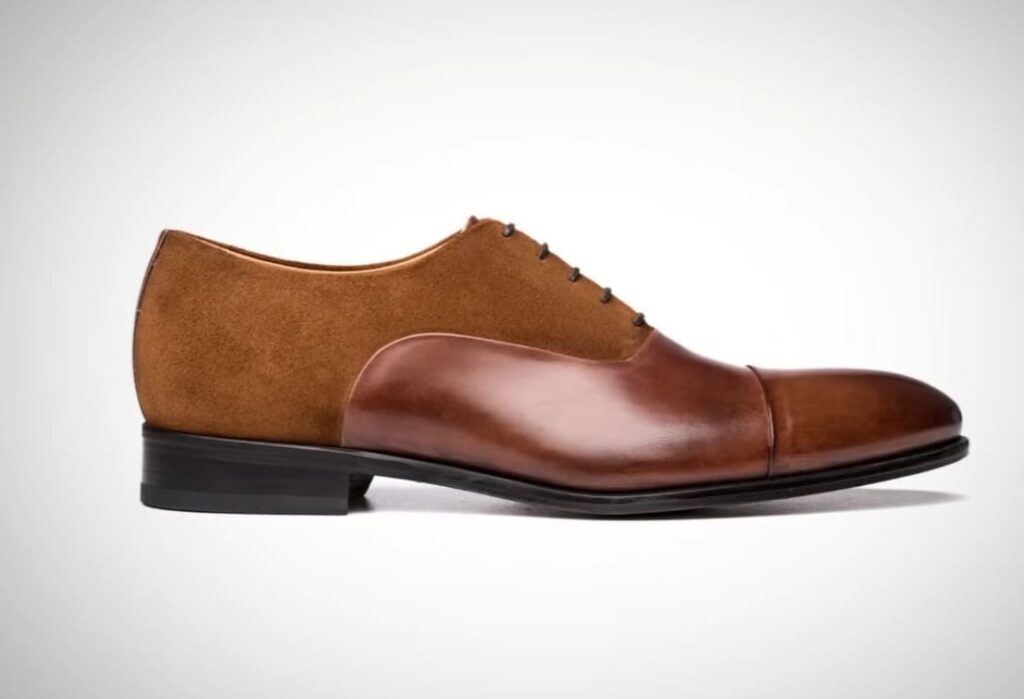
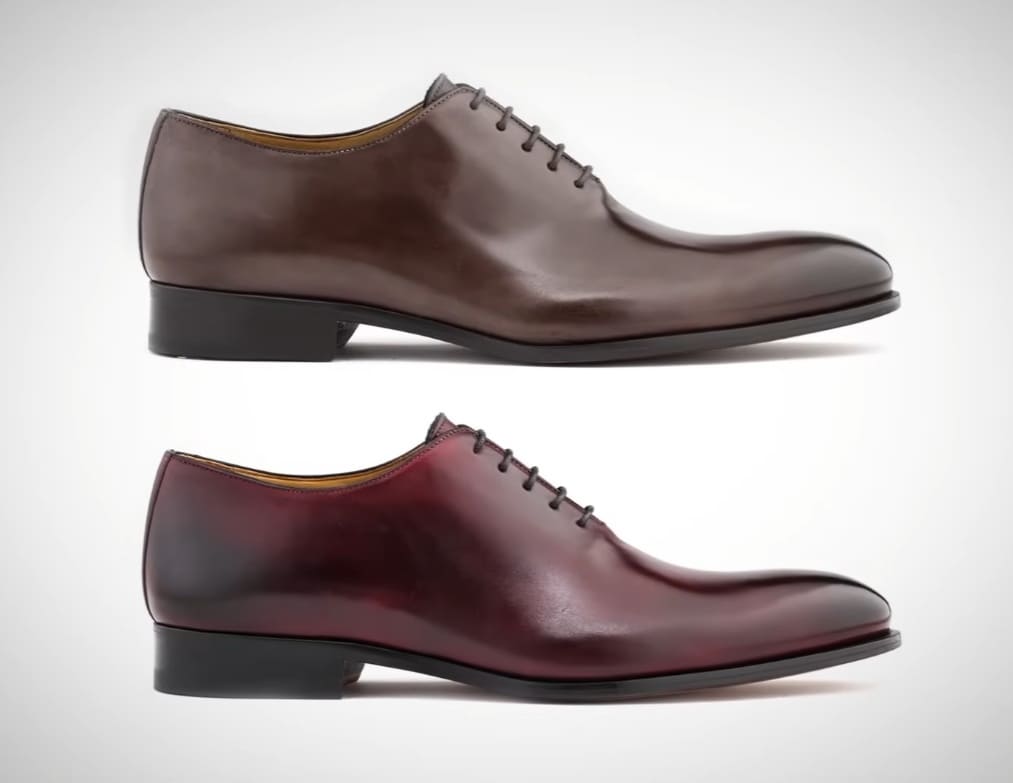
The defining trait of true Oxford shoes is their closed lacing system. The eyelets are stitched directly under the vamp. This design tucks the tongue away neatly.
It creates a sleek, uninterrupted finish. You get a polished look with minimal bulk. These shoes require laces for a secure and adjustable fit.
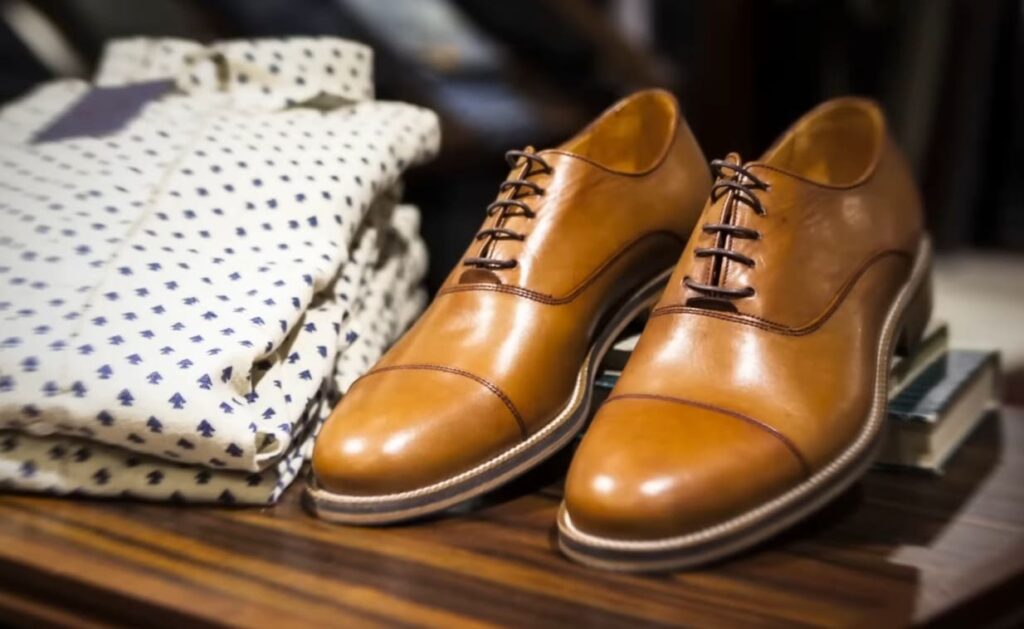
You’ll find them with either a plain toe or a cap-toe design. The plain version offers minimalist elegance. The cap-toe adds subtle texture with fine stitching.
Traditional Styles and Modern Updates
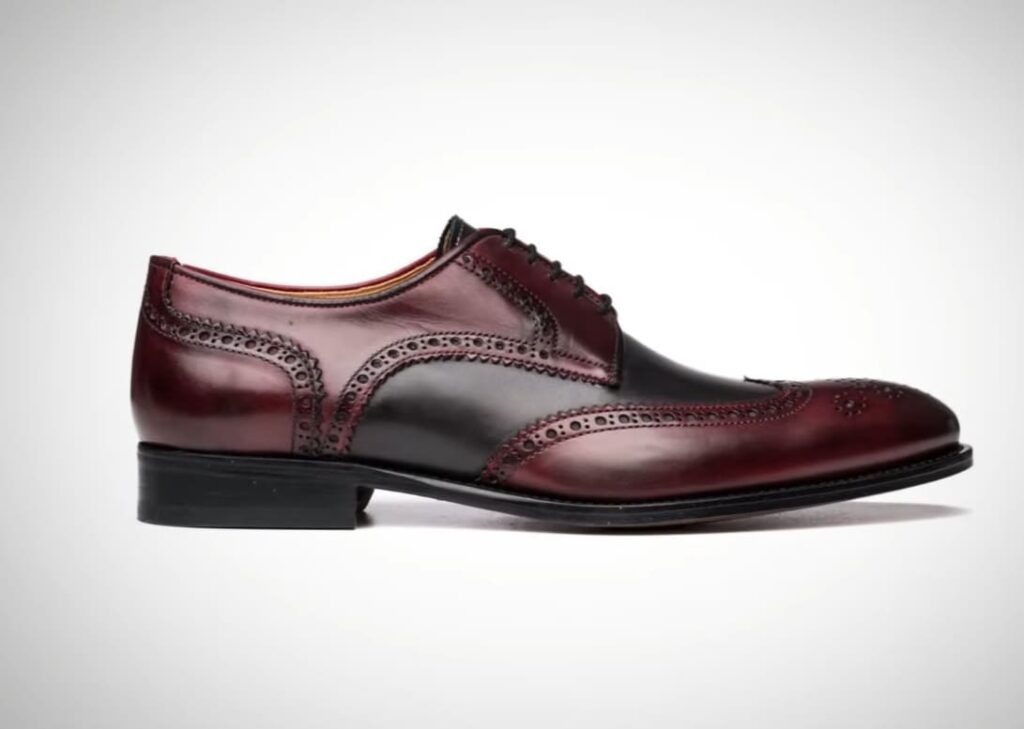
Beyond the basic Oxfords, a whole family of formal footwear exists. Brogues feature decorative perforations. Derbys have a more relaxed open lacing construction.
Other members include bold wingtips and buckle-fastened monk straps. Today’s versions use premium leathers that develop a rich patina. Suede options offer a softer look for less rigid settings.
Modern cushioning also improves all-day comfort. Remember, a short break-in period is normal for the best fit.
| Style | Lacing System | Key Feature | Best Use |
|---|---|---|---|
| Oxford | Closed | Sleek, seamless vamp | Formal business, black tie |
| Derby | Open | Separated eyelet tabs | Business casual, smart office |
| Brogue | Closed or Open | Decorative perforations | Professional settings, events |
| Monk Strap | Buckle | Metal buckle closure | Fashion-forward formal wear |
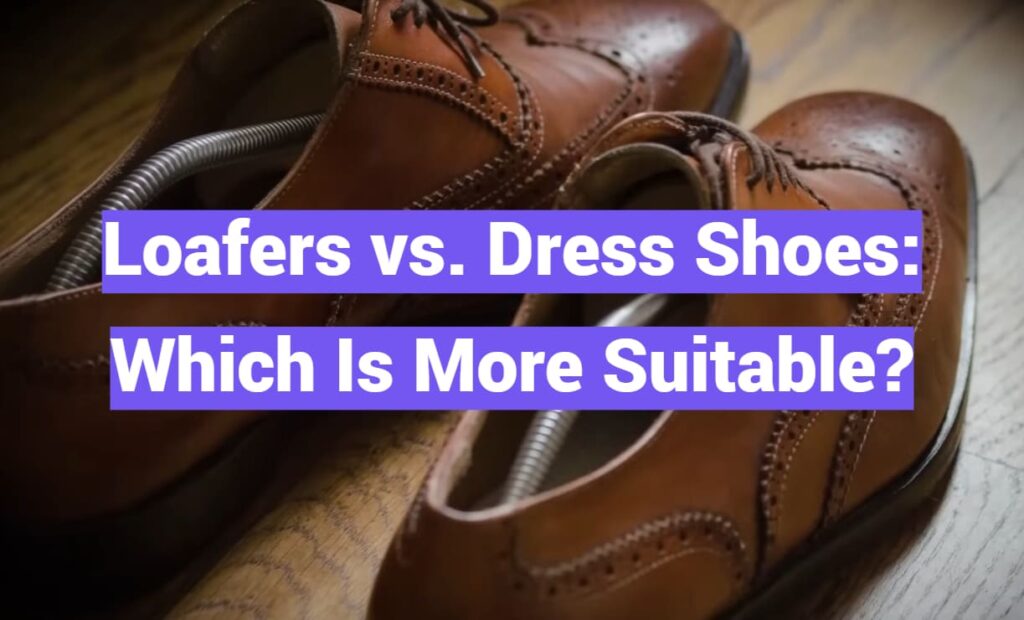
Loafers vs Dress Shoes: Which Is More Suitable?
The debate between slip-on ease and laced-up formality is a timeless style dilemma. Your selection impacts your overall appearance and how you feel throughout the day. Let’s examine the two most important factors in this choice.
Comparing Style and Aesthetic Appeal
Slip-ons, like penny loafers, offer a sophisticated and eye-catching aesthetic. They suggest confidence and a modern sensibility. You’ll stand out with their refined taste.
Traditional lace-ups, such as cap-toe oxfords, provide classic elegance. They communicate respect for formal dress codes. This look helps you blend into serious professional settings.
Your personal style preference is key. Both options enhance an outfit, but they send different visual messages.
Analyzing Comfort and Practicality
In terms of comfort, slip-ons typically win. Their soft construction requires no break-in period. You can wear them right out of the box without issues.
Traditional lace-ups often need time to mold to your feet. Even with modern cushioning, initial wears can be less comfortable. This makes the former better for long days of standing or walking.
Practicality also favors the slip-on design. Ease of putting on and taking off is a major advantage. For all-day wear, this comfort and convenience are hard to beat.
Choose based on your day’s demands. The right look should never come at the cost of your well-being.
Key Differences in Style, Comfort, and Versatility
Understanding where each footwear style shines can transform your wardrobe from a collection of clothes into a toolkit for any occasion. The real separation comes down to three areas: style context, all-day comfort, and overall versatility.
Stylish Appeal in Business Casual and Formal Settings
In business casual environments, slip-ons are a star performer. They provide a polished look without the stiffness of traditional lace-ups. This makes them a top choice for modern professionals.
For formal events, the options depend on the dress code. A sleek leather loafer can work with a tailored suit for many dinners. However, for the most conservative settings, classic dress shoes remain the expected standard.
Versatility Across Various Outfits
The true strength of loafers is their incredible range. They complement a tailored suit perfectly. They also look excellent with chinos, a blazer, or even dark denim.
Most formal lace-up styles have a narrower focus. They look ideal with dress trousers and suits. Pairing them with casual clothing often feels out of place.
| Footwear Style | Business Casual | Formal Suit | Smart Casual | Weekend Wear |
|---|---|---|---|---|
| Loafers | Excellent | Good (Select Styles) | Excellent | Good |
| Dress Shoes (Oxfords) | Fair | Excellent | Fair | Poor |
This adaptability gives slip-ons a unique charm. They allow for multiple styling options from one purchase. Your choice ultimately hinges on whether you prioritize specialized formality or adaptable style for your outfits.
Choosing the Right Footwear for Your Event
Matching your footwear to the occasion is a subtle art that conveys respect and awareness. Clear guidelines eliminate the guesswork, ensuring you always make the appropriate choice.
Guidelines for Formal Occasions
For strictly formal occasions like black-tie galas or important board meetings, classic Oxfords remain the expected standard. They demonstrate respect for the event’s significance.
Darker leather slip-ons can sometimes work for formal settings with slightly relaxed codes. However, suede or casual styles should be saved for less formal occasions.
Recommendations for Business Casual Settings
In modern business casual workplaces, slip-ons are a top choice. They strike a perfect balance between professional appearance and all-day comfort.
This makes them ideal for long days filled with meetings and movement. You can wear loafers with confidence in these environments.
Expert Tips from Industry Insights
For “dressy casual” events, consider the venue and time of day. A sleek slip-on might be perfect for an evening dinner.
One key tip is to read the room. The event’s place and season offer clues about the expected dress.
Always ensure your shoes are well-maintained. Wearing them with conviction is just as important as the dress code itself. One confident step makes all the difference.
Expert Perspectives and Trends in Footwear
The conversation around classic footwear is being redefined by insights from master craftsmen and leading designers. Their views help us see beyond basic style options.
They highlight what makes certain pieces timeless investments for modern men.
Market Trends and Consumer Preferences
Industry data shows a clear move towards versatile, comfortable styles. Younger professionals are driving this change.
They want footwear that works from the office to evening events. Iconic types like the penny loafer remain hugely popular.
Its minimalist strap offers a perfect balance. Tassel and bit loafers also see high demand for their added personality.
Insights from Craftsmanship and Design Experts
True quality comes from premium materials and hand construction. Experts stress the importance of soft leathers that feel broken-in from day one.
For example, the Centesimo Penny Loafer is celebrated for this instant comfort. The Milano Tassel Loafer uses luxury velvet for a unique look.
Design details matter immensely. The toe shape on an Oxford or the strap on a loafer defines its character and formality.
Many experts agree that while Oxfords own strict formal events, slip-ons offer the practical versatility needed for today’s diverse lifestyle.
Conclusion
Ultimately, the right footwear choice empowers you to move through your day with confidence and ease. Throughout this comparison, slip-ons have shown superior comfort and remarkable versatility. They adapt seamlessly from business casual settings to evening events.
Classic Oxfords maintain their important place for the most formal occasions. Their structured appearance and traditional lacing system communicate respect where it’s expected.
Your decision isn’t about picking one over the other. It’s about building a collection that serves your lifestyle. Consider your daily outfits, work environment, and social calendar.
Investing in high-quality pieces from either category pays off in look, feel, and longevity. Understanding these distinctions lets you step forward with assured style for every setting.