Did you know that an estimated 7 out of 10 people are walking around in footwear that doesn’t fit their feet properly? Often, the problem isn’t length—it’s width.
That persistent pinch or squeeze isn’t just annoying. It can distract you all day and lead to real discomfort.
Finding the correct fit is about more than just comfort. It supports your long-term foot health and helps prevent issues.
This guide is here to clear up the confusion. We’ll break down the technical specs and real benefits of roomier options.
You’ll learn how to measure, understand the impact on your feet, and discover smart shopping strategies. Let’s find your perfect pair.
Key Takeaways
- Many people wear the wrong shoe size, with width being a common issue.
- The right width is essential for all-day comfort and preventing pain.
- Knowing the difference between wide and extra wide fits is crucial for a proper selection.
- A correct fit supports your overall foot health and can prevent long-term problems.
- This guide will cover measurements, health impacts, and how to shop smarter.
Understanding Shoe Width: Key Concepts and Terminology
Proper shoe fit relies on a simple but often overlooked principle: width is just as important as length.
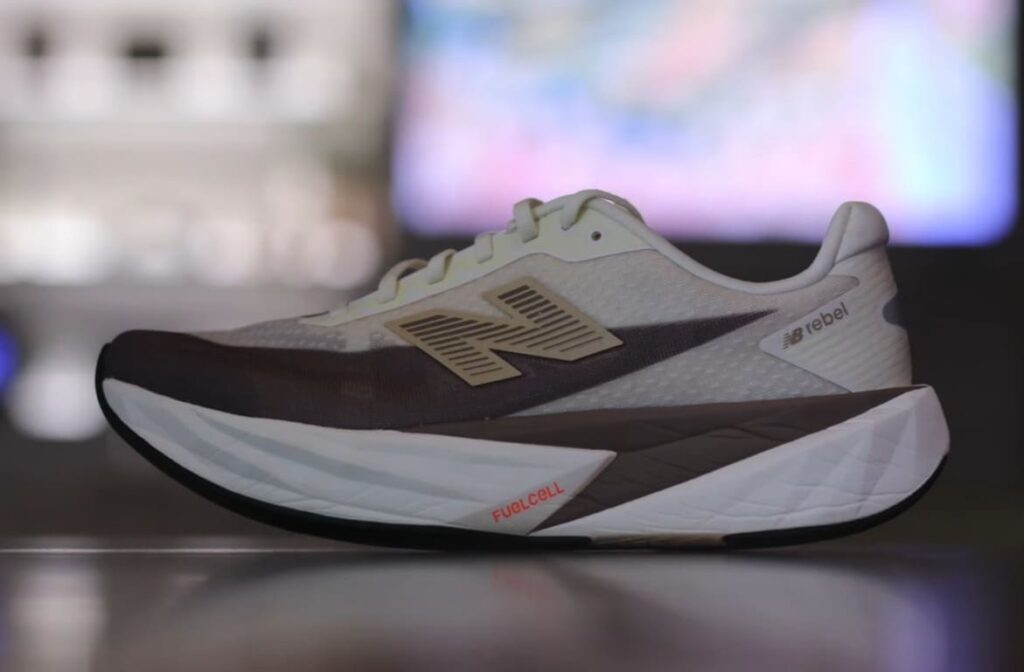
Your shoe size is a two-part code. It tells you how long and how broad the interior is.
Defining Shoe Size, Width, and Fit
Feet come in three main width types. These are narrow, medium (standard), and wide.
Each type serves a different foot shape. A letter system labels these widths.
| Width Label | Common Meaning (Women) | Common Meaning (Men) |
|---|---|---|
| A or 2A | Narrow | Narrow |
| B | Medium / Standard | Narrow |
| D | Wide | Medium / Standard |
| E | Extra Wide | Wide |
| EE or 2E | Extra Wide | Extra Wide |
How Standard and Wide Measurements Differ
Foot width is relative to length. A size 5 foot measuring 3.5 inches across the forefoot is wide.
A size 8 foot with the same measurement is medium. This shows why both numbers matter.
A men’s Wide fit (2E) adds about 5/8 inch of space. An Extra Wide fit (4E) adds roughly a full inch.
Men’s shoes generally start wider. This is why the same letter means different things.
Some brands do not offer women’s Extra Wide options yet. Checking specifications is key for individuals needing the most room.
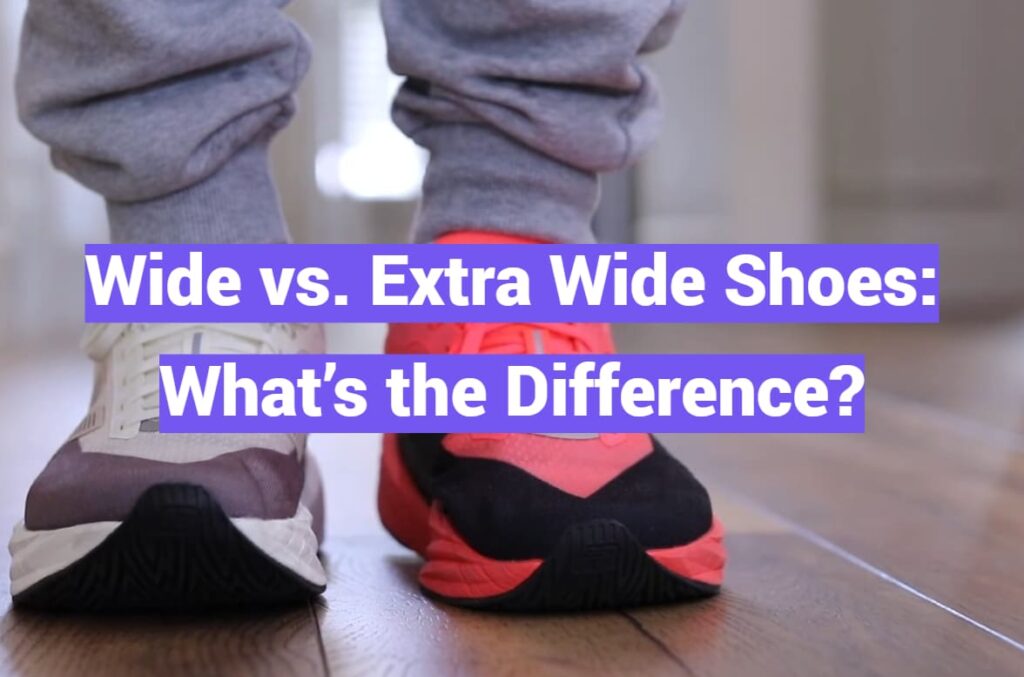
Wide vs. Extra Wide Shoes: What’s the Difference?
The key to unlocking all-day comfort often lies in understanding the subtle but crucial distinctions in shoe width. It’s not just about a bigger label; it’s about precise measurements and targeted space.
Breaking Down the Technical Widths (2E vs. 4E)
These labels refer to specific measurements. A men’s wide fit, often marked as 2E, adds about 5/8 of an inch in total width. For women, a Wide (D) adds roughly 1/2 inch.
An extra wide option, like a men’s 4E, provides nearly double that addition—about a full inch of extra room. This table clarifies the core difference.
| Fit Type | Common Marking (Men) | Common Marking (Women) | Added Width | Key Characteristic |
|---|---|---|---|---|
| Wide Fit | 2E | D | ~5/8″ (Men) ~1/2″ (Women) |
Roomier fit throughout the entire shoe. |
| Extra Wide Fit | 4E | 2E / EE | ~1″ (Men) | Maximum interior space for the broadest feet. |
How Each Fit Enhances Comfort and Space
A wide fit increases room uniformly from the toe box to the heel. This is perfect if standard shoes feel tight all over your foot.
The extra wide category offers the most generous space. It is designed for broader foot types needing significant room to prevent pressure. This fit accommodates natural swelling.
Note: A “Relaxed Fit” is different. It adds space only in the toe box area, keeping a standard width elsewhere.
The Impact of Fit on Foot Health and Daily Comfort
Ignoring shoe width doesn’t just cause a bad day; it can lead to lasting foot problems. The right fit is your first defense against daily pain and future foot disorders.
It supports your natural foot shape and function. This simple choice impacts your entire day.
Relief from Pressure, Pain, and Blisters
Tight footwear creates immediate hot spots. Your feet cramp, and circulation gets cut off.
This friction causes painful blisters. Constant pressure forms corns and calluses.
You might see purple marks on your toes or feel numbness. These are clear signs your shoes are too narrow.
Switching to roomier options brings instant relief. It stops the squeeze and lets your feet relax.
How Correct Fit Prevents Long-Term Foot Disorders
Years of wearing tight shoes can deform feet. Bunions are a joint deformity that pushes the big toe inward.
Hammer toes cause toes to bend abnormally. Both conditions create inflammation and sharp pain.
Morton’s neuroma is nerve compression. A proper fit reduces pressure on this nerve, offering relief.
These are not just cosmetic issues. They limit mobility and may need surgery.
Adequate width accommodates natural swelling. It prevents joint strain all day long.
| Issue Type | Common Symptoms | How Proper Fit Helps |
|---|---|---|
| Short-Term Discomfort | Blisters, corns, numbness, toe discoloration | Eliminates friction points, improves circulation |
| Long-Term Disorders | Bunions, hammer toes, Morton’s neuroma | Prevents joint deformation and nerve compression |
| Overall Foot Health | Chronic pain, limited mobility, swelling | Supports natural foot structure, accommodates daily changes |
Investing in the correct fit is an investment in your long-term health. It turns daily comfort into a lasting benefit.
Exploring Technical Aspects and Measurements
Modern design for broader feet is a science focused on scaling and support. It goes beyond simply using more material.
Every detail is engineered for a precise fit that feels natural.
Understanding the Design and Engineering
Quality roomy shoes are not just stretched. They are proportionally scaled from the ground up.
This process maintains the original silhouette. You get necessary interior width without a bulky look.
Specialized insole construction is key. Thicker padding targets the forefoot and arch area.
This accommodates the natural spread of a broader foot structure. It provides cushion where you need it most.
The outsole is also modified. It features a broader base that aligns with the wider upper.
This creates a stable foundation. Your balance and stride improve noticeably.
A broader platform offers shock absorption benefits. Impact forces distribute more evenly across the foot.
This reduces stress on joints during all-day wear. Proper arch support placement is adjusted to match a wider size.
These technical measurements ensure genuine performance. They require expertise in biomechanics, not just extra material.
Understanding these widths helps you appreciate the engineering in every pair of shoes.
Design, Style, and Aesthetics: Bulky or Sleek?
A major hesitation for many shoppers is the worry that choosing a roomier fit means sacrificing their sense of style. This is a common myth.
Modern footwear design expertly integrates comfort with a sleek look. You never have to choose between the fit you need and the shoes you love.
Maintaining Silhouette and Modern Proportions
Quality roomy shoes use proportional scaling. The entire shoe is enlarged to maintain its original, clean lines.
This technique provides necessary interior space without a bulky exterior. Models like the retro-cool Arch Fit Arcade keep their sharp, defined look in wider sizes.
Flexible materials like soft leather and breathable mesh are key. They conform to your foot’s natural shape without appearing oversized.
Adjustable laces and straps offer a customized, secure fit. This avoids the slipper-like look some associate with roomier options.
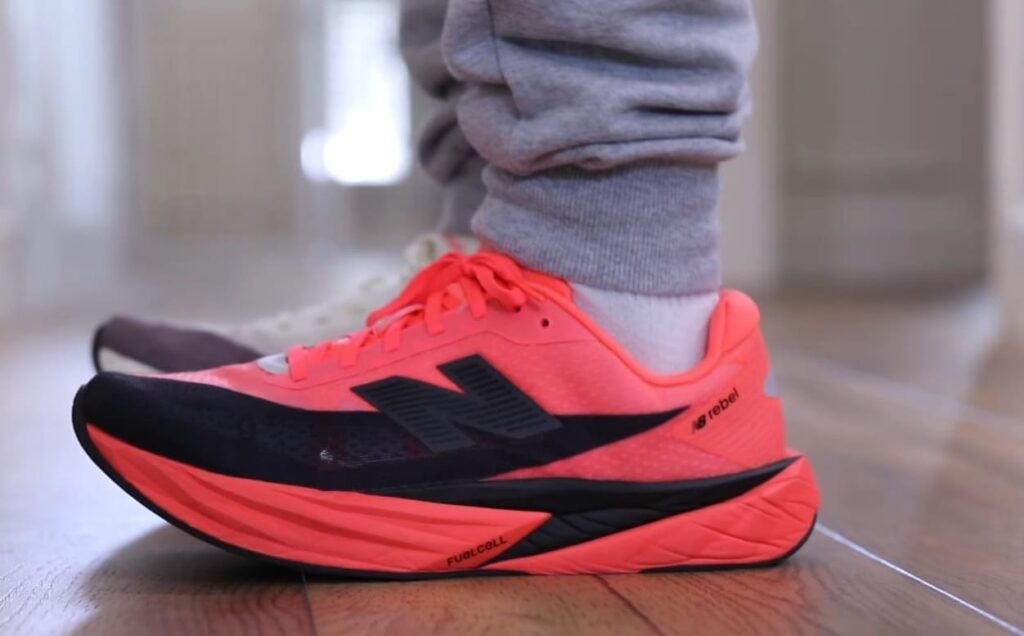
Today’s wide shoes span every category:
- Athletic and performance sneakers
- Modern casual styles
- Polished dress shoes
Your confidence comes from comfort. When your wide fit shoes feel good, you carry yourself with assurance. The right pair proves that wider doesn’t mean less fashionable.
Customer Feedback and Real-World Experiences
Beyond specifications, the true test of any shoe is its daily performance. Real wearer stories offer powerful proof.
User Testimonials and Comfort Stories
Many women with broader feet report transformative comfort. One review of a popular model states:
“Love these shoes. Very comfortable and provides good support. They feel true to size and width. And they are cute! I have received many compliments on them.”
Women appreciate models that combine essential support with a stylish look. This feedback confirms that properly fitted wide shoes deliver both.
Comparative Reviews from Men and Women
Men’s experiences highlight similar benefits for their feet. A spouse praised a slip-on design:
“This was the perfect shoe for my husband! He loves them. The slip-in makes it very easy for him to get his shoes on.”
For demanding work, another wearer shared a dramatic change:
“I work 12hr shifts on hard floors… I came home after my first shift with these and had ZERO foot pain. Immediate relief. These are my go-to shoes now.”
These authentic stories show a common theme. Proper fit brings immediate relief and becomes a trusted choice for all day wear. For men and women, happy feet start with the right wide shoes.
Considerations for Men’s and Women’s Wide Shoe Options
Shoe width isn’t a one-size-fits-all concept, especially when comparing men’s and women’s options. Finding the right pair means understanding these key distinctions.
Gender-Based Fit Differences
The same letter means different things. A “D” width is standard for men but considered a wide fit for women.
Women’s roomy options typically add about 1/2 inch of interior space. Men’s roomy fits add roughly 5/8 inch.
Men’s extra wide selections, like a 4E, can provide a full inch of room. A current limitation is that some major brands do not yet offer a women’s extra wide category.
Women with the broadest feet may need to explore men’s sizing or specialized brands for the perfect fit.
Popular Models and Their Unique Features
Today’s options blend innovative support with great style. For women, popular models feature Arch Fit systems and Contour Foam cushioning.
These technologies deliver all-day comfort without a bulky look. Men’s roomy shoes often focus on convenience, like hands-free Slip-ins designs.
They also include performance features such as Goga Mat Arch support. Men’s maximum-space options incorporate advanced tech like waterproof materials and slip-resistant soles.
Both men’s and women’s wide shoes now offer moldable footbeds and podiatrist-certified features. They span every category from athletic sneakers to polished dress shoes.
Guidelines to Determine the Right Fit for Your Feet
Before you buy another pair, take a moment to measure your feet correctly—it changes everything. These simple steps ensure your next shoe purchase supports your foot health from the first wear.
Measurement Tips and When to Choose a Wider Option
Always measure at night. Your feet naturally expand throughout the day and are largest then. Wear the socks you plan to use with the shoes.
Trace both feet. Many individuals have one foot slightly larger. Always fit to the bigger one for total comfort.
For the most accurate foot width and length reading, use a Brannock device. This tool gives universal measurements.
Ask yourself these key questions about your current regular shoes:
- Do they feel tight along the sides?
- Is the ball of your foot compressed?
- Do even roomier options labeled for wide feet feel snug?
If you answer yes, your feet likely need more space. Other clear signs include spilling over the sides, pressure marks, or numbness in your toes.
Choosing a broader fit does not change your length size. A proper fit feels comfortable immediately, with no break-in period.
This is especially important for individuals with specific needs. Conditions like bunions, significant daily swelling, or flat feet often require wider feet accommodations for all-day relief.
Shopping Tips: Finding the Perfect Wide Fit Shoes
Transforming your shoe shopping from frustrating to successful starts with these tips. Knowing what to look for saves time and ensures your right shoe delivers all-day support.
What to Look for In-store and Online
In physical stores, always request a professional measurement. Use a Brannock device for accurate width and length data.
Try on potential shoes later in the day. Your feet swell naturally, so this tests real-world comfort. Walk around the store for several minutes to assess the fit.
For the perfect fit, check for a thumb’s width of space at the toe. Your toes should wiggle freely without bulging over the sides.
Online shopping requires extra care. Scrutinize detailed sizing charts and width availability. Read customer reviews that specifically mention fit accuracy.
When uncertain, order multiple sizes. Use free return policies to find your match at home. This strategy is ideal for individuals with unique needs.
Select features based on your foot type. For thick feet or high insteps, choose shoes with adjustable laces or straps.
If you have a large ball girth, look for round toe box designs. They provide crucial room in that area.
Understand the difference between fit categories. A Relaxed Fit adds space only in the toe box. A Wide Fit offers more room throughout.
For the broadest feet, an Extra Wide Fit provides maximum interior space. Always prioritize brands known for true-to-size wide shoes.
If you use custom orthotics, ensure the shoe has a removable insole. This accommodates both your foot width and the orthotic’s volume.
Conclusion
Your foot health and daily happiness are directly linked to the space inside your shoes. Knowing your correct fit empowers smart footwear choices that impact long-term well-being.
Technically, a wide fit (like 2E for men) adds vital inches. An extra wide option offers even more comfort. These shoes prevent painful conditions like bunions and blisters.
They also provide immediate relief from pressure. Your feet will thank you with every step you take.
Today’s styles are engineered to look sleek. You gain necessary interior room without a bulky exterior. This means no style sacrifice for your perfect fit.
Measure your feet and honestly assess your needs. If you experience pinching, it’s time for a change. The right shoe width eliminates pain during long workdays.
Prioritizing your well-being is crucial. Width is just as important as length. Your ideal pair will feel custom-made, offering all-day support for your wide feet.